Exactly How Waste Equipment Enhances Effectiveness in Garbage Compactor Procedures
Waste Equipment plays a crucial function in improving the effectiveness of garbage compactor operations. By using advanced sensors and automation, these systems boost compaction cycles and monitor tons abilities efficiently. This assimilation not just preserves power but likewise reduces pickup frequency and linked prices. As organizations progressively take on these modern technologies, the implications for operational sustainability and monitoring strategies come to be clearer. What various other advantages might arise from these improvements in waste Equipment?
The Function of Advanced Sensors in Compaction Efficiency
Advanced sensing units play a necessary function in enhancing the efficiency of garbage disposal. These innovative devices check different parameters, consisting of tons ability, wetness levels, and compaction cycles, enabling real-time adjustments. By properly evaluating the amount of waste, sensors make it possible for compactors to enhance their procedure, ensuring that energy intake is reduced while making best use of the volume of waste processed.
Progressed sensors contribute to anticipating upkeep by recognizing potential issues prior to they lead to Equipment failure. This proactive technique not only minimizes downtime however likewise extends the lifespan of the compactor. Furthermore, information gathered from these sensing units can be assessed to improve operational strategies, causing improved waste administration methods. In general, the assimilation of sophisticated sensors in trash compactors considerably enhances their performance and functional effectiveness, converting right into cost savings and a much more lasting strategy to garbage disposal.
Toughness and Layout: Products That Issue
The resilience and style of garbage disposal pivot considerably on the materials utilized in their building and construction. Top quality steel is frequently the key selection, supplying toughness and resistance to deterioration. This robust material endures the immense pressure put in during compaction, ensuring durability and reliability. Furthermore, parts such as hydraulic systems are normally crafted from corrosion-resistant alloys to stop destruction in time, improving operational effectiveness.
Design likewise plays an important duty in functionality; ergonomic shapes and calculated supports can noticeably affect performance. Producers typically focus on modular styles, enabling less complicated repair and maintenance. Innovations in covering technologies, such as powder covering, improve resistance to ecological variables, including dampness and chemicals. Inevitably, the mindful choice of products not only enhances the architectural honesty of garbage disposal but also adds to their overall effectiveness and efficiency in waste administration procedures.
Automation and Smart Technology in Waste Equipment
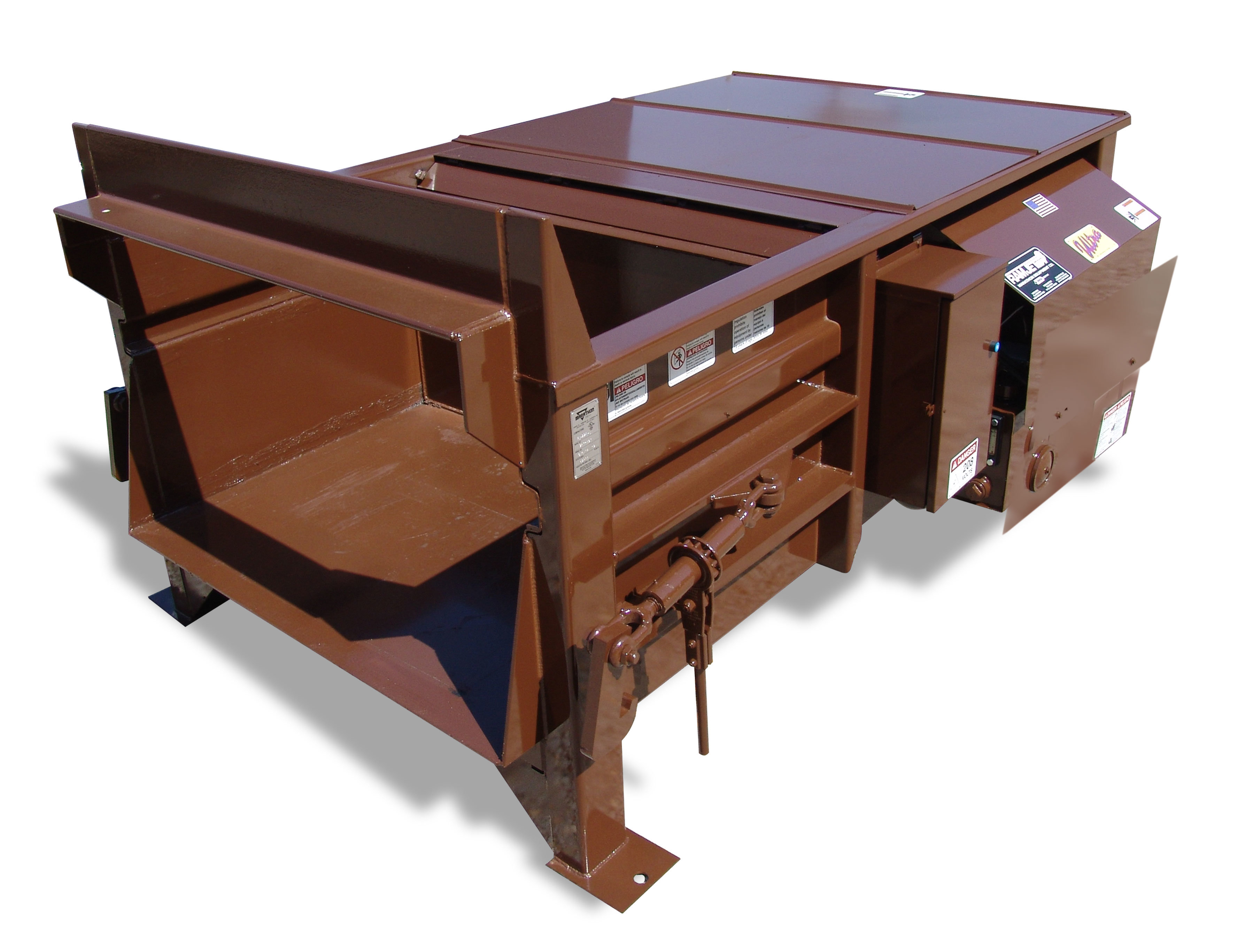
Additionally, automated compactors can maximize compaction cycles based on the volume of waste, maximizing area and improving functional efficiency. Combination with mobile applications permits customers to keep track of and manage compactors from remote places, improving convenience and responsiveness. By embracing these modern technologies, waste management companies can not just enhance their operational workflows yet additionally contribute to more lasting methods by reducing waste and optimizing source use. In general, automation and clever modern technology represent a significant jump ahead in the efficiency of garbage compactor procedures.
Data Analytics for Maximizing Waste Administration
Harnessing information analytics provides waste administration companies a powerful device for improving and maximizing procedures efficiency. By gathering and assessing data from various resources, such as compactor efficiency metrics and waste generation patterns, companies can gain important understandings. These insights enable them to make informed decisions pertaining to collection routines, compactor use, and maintenance demands.
Moreover, anticipating analytics can forecast waste generation trends, allowing companies to assign sources much more successfully and Your Domain Name avoid possible overflows or underutilizations of Equipment. Real-time surveillance via information analytics likewise improves the capability to respond swiftly to functional obstacles, minimizing downtime and boosting solution integrity.
In addition, integrating data analytics with existing waste management systems fosters a culture of constant enhancement. By tracking and recognizing inadequacies performance in time, companies can improve their processes and take on finest methods, inevitably bring about a much more sustainable and effective waste monitoring strategy.
Price Financial Savings With Improved Operational Performance
By simplifying operations and minimizing waste, firms can attain substantial expense savings in their waste monitoring procedures. Improved operational effectiveness in trash compactors decreases the frequency of pick-ups, causing lower transportation costs. Progressed waste Equipment enables for optimum compaction, maximizing container capability and minimizing the requirement for additional containers.
This enhanced efficiency not just decreases garbage disposal charges yet likewise extends the life expectancy of Equipment, reducing upkeep expenses. Automated monitoring systems give real-time data, permitting proactive modifications in waste handling, which can in addition enhance performance and decrease unplanned expenditures.
Furthermore, durable training programs for personnel on Equipment use can lead to enhanced operational methods, better driving down prices. Inevitably, the combination of effective waste Equipment promotes a cost-effective waste monitoring approach that profits companies economically while guaranteeing smoother operations.
Ecological Effect: A Lasting Approach to Waste Management
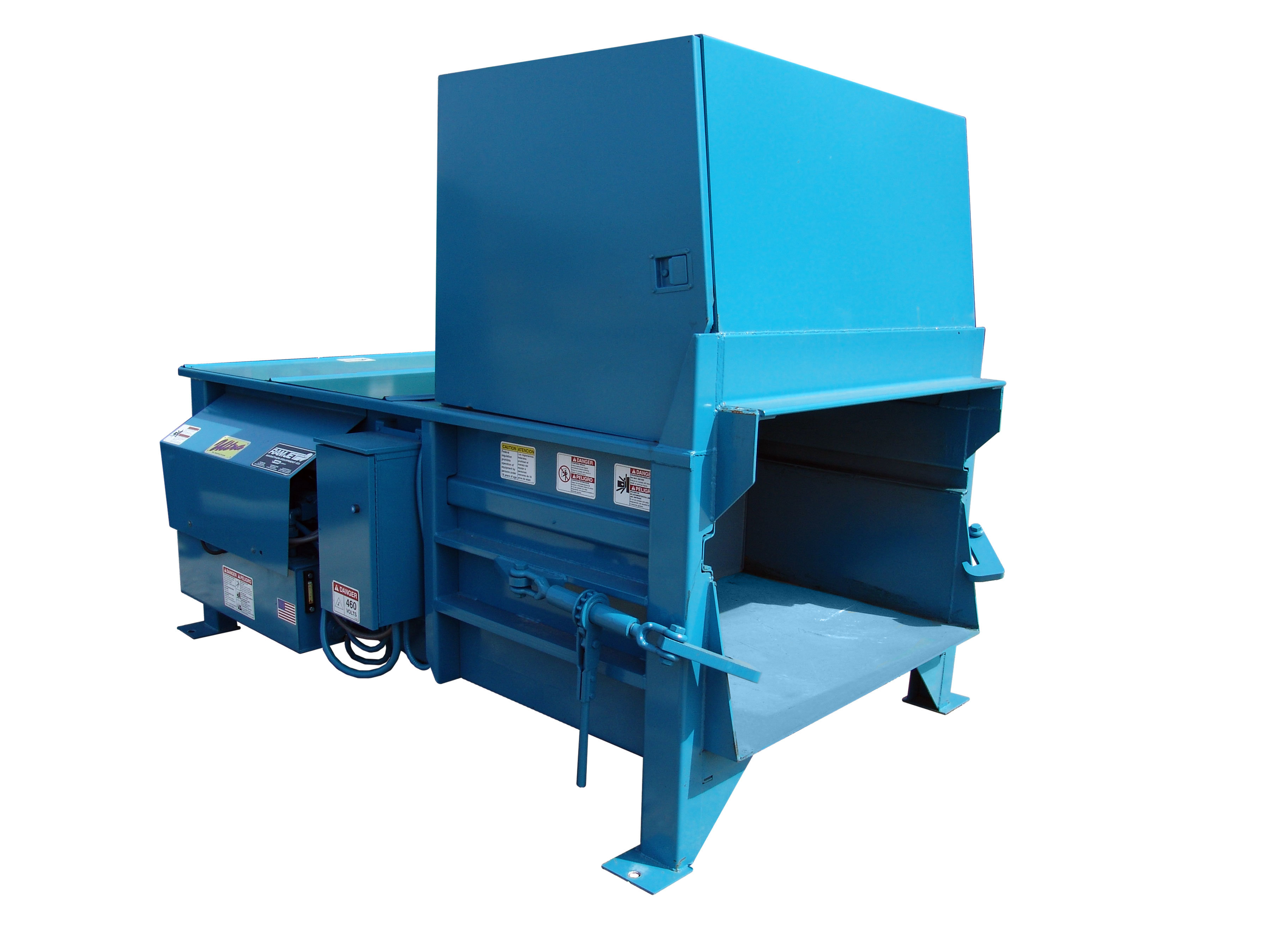
Furthermore, executing reusing initiatives along with compaction processes enables companies to divert materials from garbage dumps, advertising circular economic situation principles. Organizations that adopt eco-friendly methods not just boost their corporate responsibility but also interest significantly eco-conscious consumers. By prioritizing sustainability in waste administration, companies can attain a dual benefit: boosting operational efficiency while actively contributing to environmental conservation. This balanced method settings services as leaders in lasting methods, promoting a much healthier earth for future generations.
Regularly Asked Questions
How Typically Should Waste Equipment Be Preserved for Ideal Performance?
The regularity of upkeep for waste Equipment usually depends upon usage and producer suggestions - Industrial waste compaction equipment. Usually, inspections should take place quarterly, with detailed servicing each year to assure peak efficiency and prevent possible malfunctions or inefficiencies
What Kinds of Waste Can Be Refined in Trash Compactors?
Garbage compactor can process various types of waste, including cardboard, paper, plastics, and non-hazardous food waste. Nonetheless, users need to stay clear of compacting unsafe materials, metals, and liquids to assure secure and reliable operation.
Are There Safety And Security Attributes in Modern Trash Compactors?
Modern garbage compactor usually consist of security features such as automated shut-off devices, emergency quit switches, and sensing unit systems (Industrial waste compaction equipment). These improvements are created to safeguard customers from possible risks during procedure, advertising a much safer working find here atmosphere
Exactly How Does Waste Equipment Impact Labor Requirements?
The influence of waste Equipment on labor demands is considerable; it commonly reduces the demand for manual great site work, simplifying processes and improving performance. As a result, fewer employees are required, allowing companies to assign sources more effectively.
What Is the Average Life-span of a Garbage Compactor?
The ordinary life expectancy of a garbage compactor commonly varies between 10 to 15 years, depending upon use, upkeep, and environmental elements. Regular servicing can prolong this life expectancy, ensuring optimal performance and reliability throughout its functional years.
By embracing these technologies, waste administration firms can not just boost their functional operations yet also contribute to more sustainable practices by minimizing waste and optimizing resource use. By decreasing and streamlining procedures waste, firms can attain substantial price financial savings in their waste administration procedures. Lasting waste monitoring strategies, especially in trash compactor operations, contribute considerably to reducing landfill waste and lowering carbon footprints. Modern waste Equipment is designed to maximize compaction, therefore lowering the quantity of waste requiring disposal. Trash compactors can process different types of waste, consisting of cardboard, paper, plastics, and non-hazardous food waste.